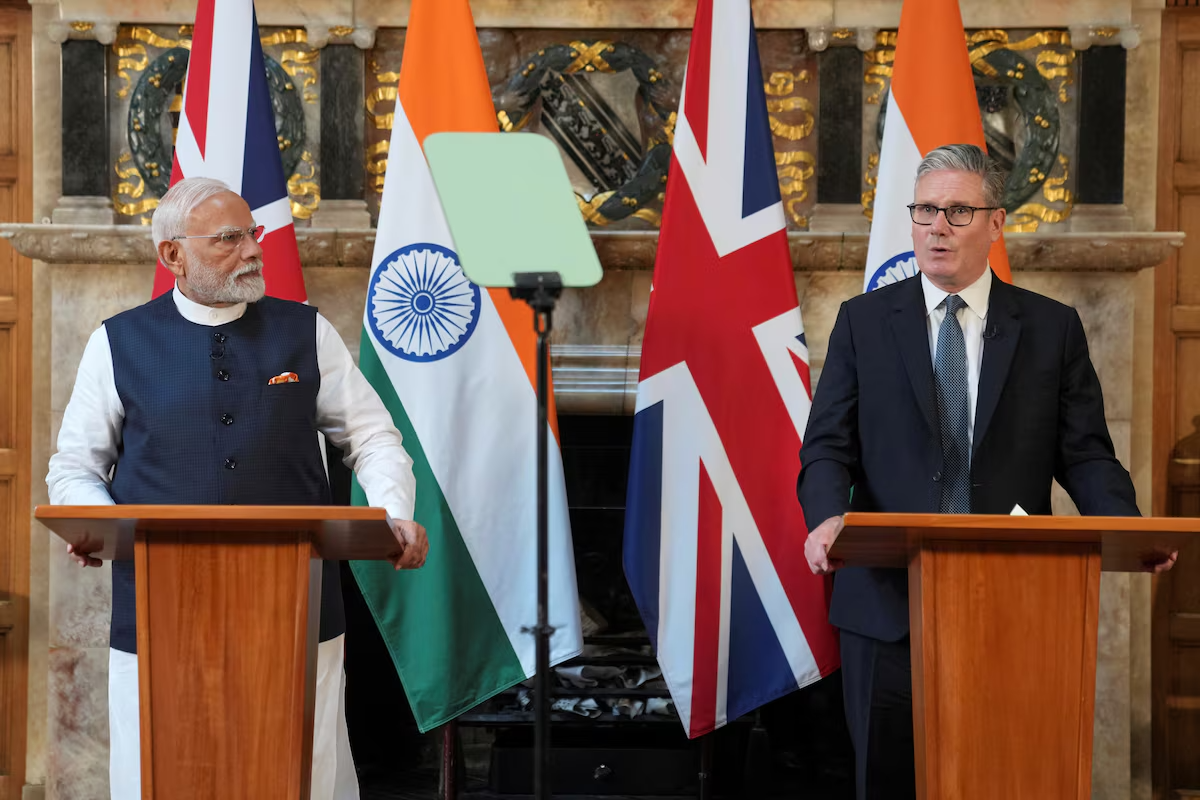
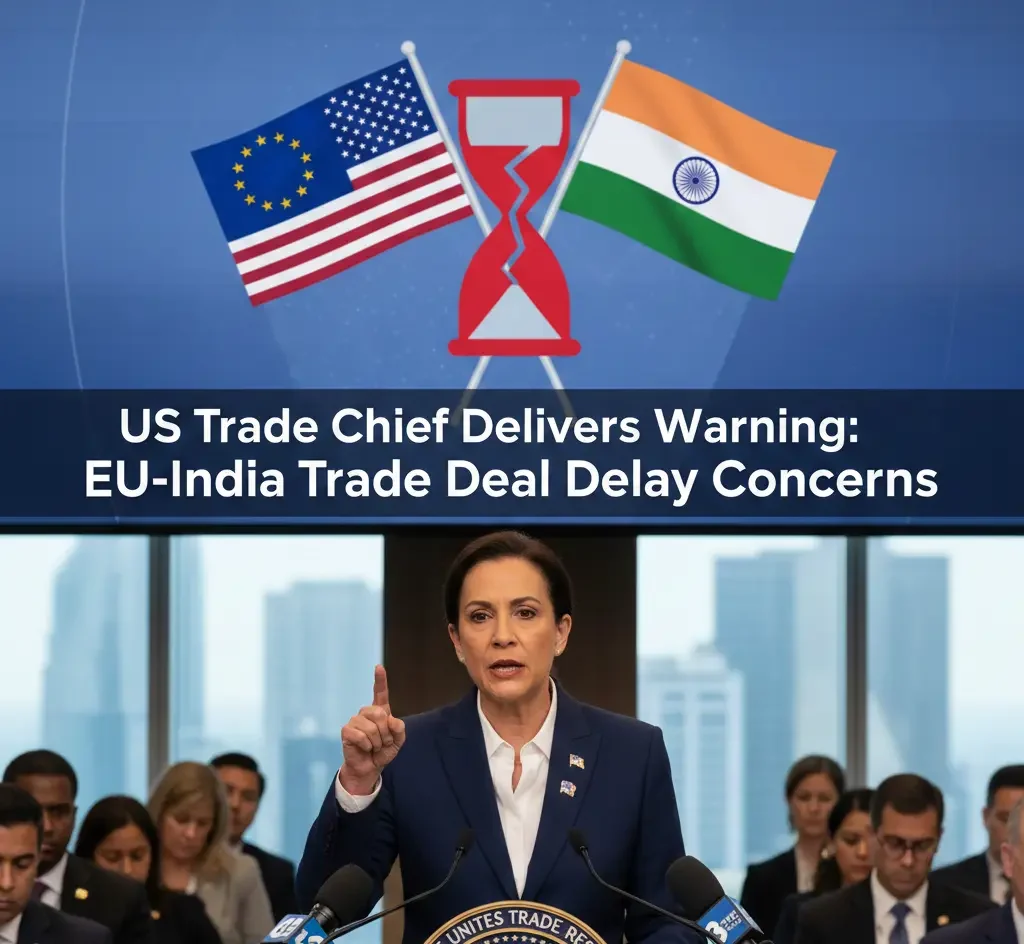
First of all, the US trade chief slammed the EU-India delay this week. Next, he warns that slow talks hurt shared growth. Meanwhile, Europe and India may miss a rare market opening. As a result, US firms could lose ground fast.
Why the US Cares About EU-India Talks
To begin with, theUS watches every move in Brussels and New Delhi. Furthermore, a quick EU-India deal may sideline US rules. In addition, US firms want to tap into 1.4 billion Indian buyers. Similarly, they fear EU rivals will win early tariff cuts. Moreover, slow talks push India closer to China. Therefore, Washington wants India in the Western camp.
Above all, lost time helps Beijing sell cheap green tech. Consequently, US exporters of solar parts face stiffer odds. Still, America keeps a polite tone in public. Nevertheless, staffers admit they are “deeply restless.”
Key Roadblocks in the Room
First, EU teams ask for strict carbon taxes and labor rights. Second, India wants more tech visas and lower farm duties. Yet, both sides refuse to yield. Thus, chapters on e-commerce, whisky, and cars stay open. In fact, sixteen formal rounds have passed.
Meanwhile, elections loom in Europe and India. Clearly, leaders have less room to bend. Furthermore, any concession can turn into campaign ammo. Hence, diplomats prefer to wait. Unfortunately, delay gives China more sway.
Cost to Global Supply Chains
Initially, each extra month keeps tariffs at 15–50 %. Soon, goods take longer sea loops to skip the EU tax. In turn, ships add 3,000 miles and burn more fuel. Likewise, Indian drug firms pay high EU border fees. Later, these costs reach shoppers.
Furthermore, US ports could grab 8 % of diverted traffic. Nevertheless, firms must see lower duties first. Otherwise, they will not switch routes. Consequently, supply-chain doubt grows. In fact, companies now delay $40 billion in new plants.
Small Firms Feel the Pain First
For example, a Texan sensor firm lost a Mumbai deal. Specifically, a 4 % price gap killed a $2 million order. Moreover, such losses repeat across thousands of parts. Soon, layoff rumors spread in Ohio plants. Therefore, US staff share these tales with EU aides. Hopefully, real stories speed up talks.
In addition, small EU firms also suffer. Indeed, long waits freeze cash flow. Thus, both sides face heat at home. Still, politics trumps economics for now.
US Warns of Consequences
On the one hand, Washington may tighten Indo-Pacific trade rules. On the other hand, Congress could tax EU luxury goods. Meanwhile, aides stress these are “options, not promises.” Nevertheless, markets react fast. Already, EU whisky stocks dipped 2 %.
Furthermore, the US trade chief says America “will not wait on the sidelines.” In effect, he draws a red line. Consequently, Brussels and Delhi must take note. Still, they must also please voters.
Next Steps to Watch
First, an EU-India summit is set for January in Delhi. Next, the US team will share tips in Brussels. After that, both sides aim for a 65 % tariff cut by March. Finally, they may sign a deal at the June G-20 in Rio.
Meanwhile, investors should watch key dates. Specifically, whisky, medical device, and cloud stocks swing fast. Likewise, euro and rupee pairs may see spikes. Therefore, hedging is wise.
How Businesses Can Prepare Now
To start, map three cases: full deal, half deal, or none. Then, hedge the euro and the rupee cash. Next, certify plants under EU green rules and US norms. Later, add deal-linked clauses to contracts. In addition, ship via US hubs in Rotterdam and Chennai. Furthermore, train staff on new forms. Above all, stay alert for rule drops.
Moreover, keep extra stock for Q2. Otherwise, port rush may hurt sales. Similarly, talk to freight firms early. Consequently, you can quote shorter lead times. In short, plan now to win later.
What Analysts Say
First, many call the deal “too big to fail.” Still, they admit politics can kill it. Meanwhile, some urge a two-step pact. Thus, both sides can claim quick wins. In fact, US aides back this view. Therefore, a March mini-deal looks likely.
Nevertheless, full closure may wait until 2026. Hence, firms must stay nimble. Clearly, agility beats wishful thinking.
Risks to Watch
Above all, election noise can derail talks. In addition, farm lobbies in France and Italy remain loud. Similarly, Indian cotton growers fear EU rules. Thus, leaders may shelve hard parts. Unfortunately, that leaves US firms in limbo.
Furthermore, Russia’s war adds spice. Indeed, cheap Russian oil shapes Delhi’s mood. Consequently, EU ethics clauses clash with pocketbook needs. Still, both sides insist they can cope.
Opportunities if Deal Passes
First, a deal would cut 65 % of tariffs at once. Next, service rules may open faster. Then, US cloud hosts can rival EU giants. In addition, whisky makers eye zero-duty entry. Likewise, car parts firms save millions. Therefore, stocks may rally hard.
Meanwhile, consumers gain lower prices. Clearly, win-win tales help leaders sell the pact. Hence, optimism is not blind.
Green Angle Gains Steam
First, the EU wants carbon proof. Thus, Delhi must show clean supply chains. Fortunately, US tech can help. For example, US solar gear tracks carbon footprints. In addition, green bonds may fund upgrades. Consequently, climate goals and trade goals align. Still, cost remains a hurdle.
Digital Trade Hopes
Similarly, e-commerce rules lag. However, both sides want data flow. Therefore, US firms push for open lanes. Meanwhile, India seeks local server space. Nevertheless, a middle path exists. In short, expect a carve-out soon.
Geopolitical Stakes
First, the West needs India to counter China. Next, Delhi wants tech allies. Thus, a trade pact is a strategic tool. In effect, it signals shared values. Furthermore, it keeps Beijing from writing rules alone. Clearly, US interest goes beyond cash.
Bottom Line for Readers
To sum up, the US trade chief slams theEU-India delay for good reason. First, slow talks hurt growth. Second, they aid China. Third, they puzzle firms. Still, a March deal is in sight. Therefore, watch dates, hedge risk, and stay ready. Above all, act now to ride the wave when it comes.

Anshitha is a Branding & Research Consultant specializing in brand strategy, market research, and data-driven positioning. helps businesses build strong, credible brands by combining consumer insights with strategic storytelling.