
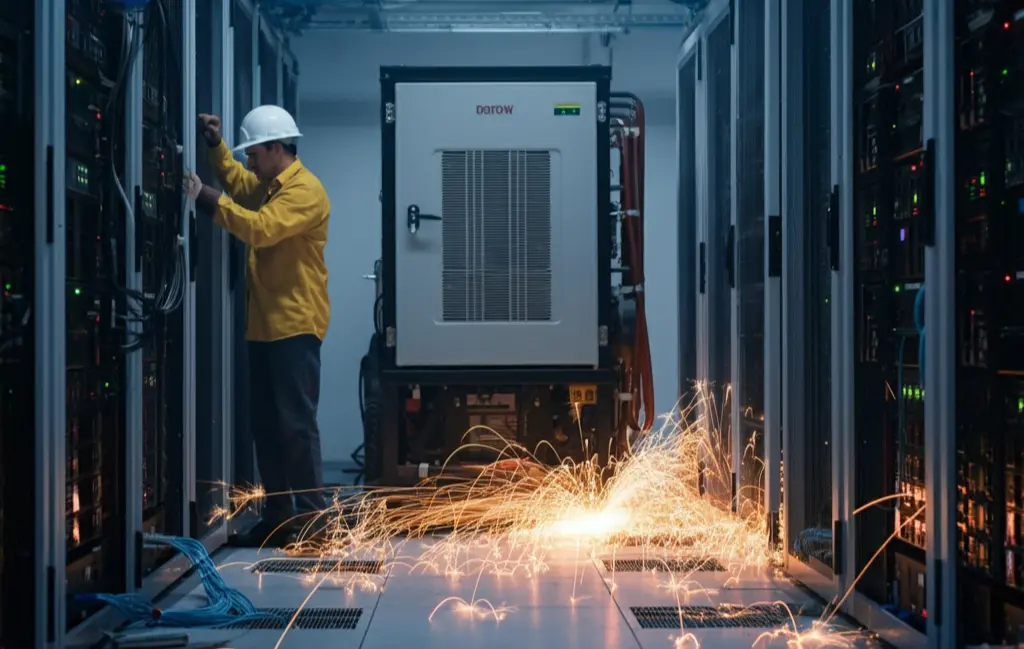
Data-center electricity rates are rising fast. In fact, Virginia homes now pay 15 % extra so Amazon, Google, and Microsoft can cool servers. As a result, residents are angry. Meanwhile, councils freeze permits and regulators search for answers. Therefore, this short guide shows why your bill keeps growing and what you can do.
Why Data-Center Electricity Rates Keep Rising
First, Virginia hosts the biggest cloud hub on Earth. Indeed, Loudoun County moves 70 % of global web traffic. Furthermore, one new hall can use as much power as 80,000 homes. Consequently, Dominion Energy says demand will triple by 2030. To pay for new wires, the firm adds “data-center riders” to every bill. In 2024, these fees added $5.80 a month. Moreover, an 18 % hike is already planned for 2026.
Tech Giants’ Secret Land Rush
Meanwhile, Amazon rented 3.5 million square feet in only eighteen months. Similarly, Google grabbed 1,200 acres. Next, Meta paused two builds, then quietly bought more land. Shell firms with star names hide the buyer until the deal is done. Thus, locals learn the truth too late, anddata-center electricity rates climb higher.
How Zoning Raises Your Bill
Once land is zoned “data center,” utilities start billion-dollar upgrades. Regulators then let them bill all users, not just the new tenant. Therefore, even if the hall stays half-empty, you still pay. In short, zoning becomes a credit card signed by the public.
Real People, Real Bills
Likewise, Lisa Carter, a retired teacher in Gainesville, saw her bill jump $28. “I teach kids to save money, but my own bill breaks the rules,” she says. Meanwhile, the server lights never dim. Nevertheless, she is told to switch off her porch light. Because of this, her anger spreads online, and data-center electricity rates turn into a hot topic.
Rules Push Back
In March 2025, Virginia denied a $2 billion Amazon subsidy. Likewise, Arizona capped data-center load at 5 % of peak demand. Meanwhile, Ohio sued Meta over a sweet rate deal. These moves add red tape and push build times from two years to four.
Green Credits, Same Grid
Firms claim 100 % renewable power. However, most credits come from distant wind farms. At night, therefore, local gas plants still run to keep servers cool. Carbon math looks better, yet your bill stays high.
Four Quick Ways to Fight Today
- First, send a short comment before the next rate case.
- Next, join a local solar garden to cut your own bill.
- Then, ask your council for a “rate-impact study” on each new build.
- Finally, switch to time-of-use pricing to avoid server peak hours.
These steps won’t stop the boom, but they can slow the rise of data-center electricity rates.
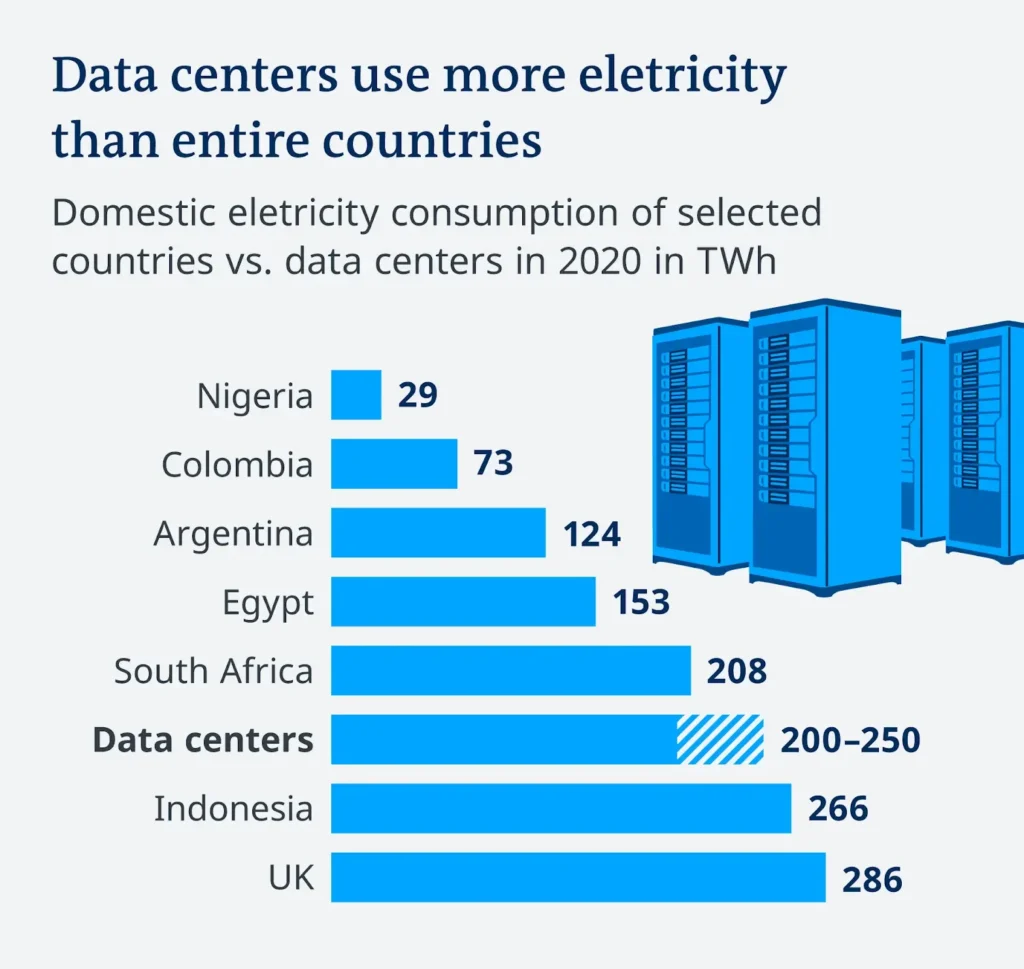
Future: Smaller and Cooler?
On the horizon, edge data centers are the size of a truck. In addition, liquid cooling cuts power use by 40 %. By 2028, three in ten new builds may use this style. Furthermore, Virginia’s 2026 Clean Grid Act will require on-site batteries. If it passes, peak fees could drop 25 %, and data-center electricity rates may finally fall.

Anshitha is a Branding & Research Consultant specializing in brand strategy, market research, and data-driven positioning. helps businesses build strong, credible brands by combining consumer insights with strategic storytelling.